
Cynic or Believer
"There are more things in Heaven and Earth, Horatio, than are dreamt of in your philosophy"
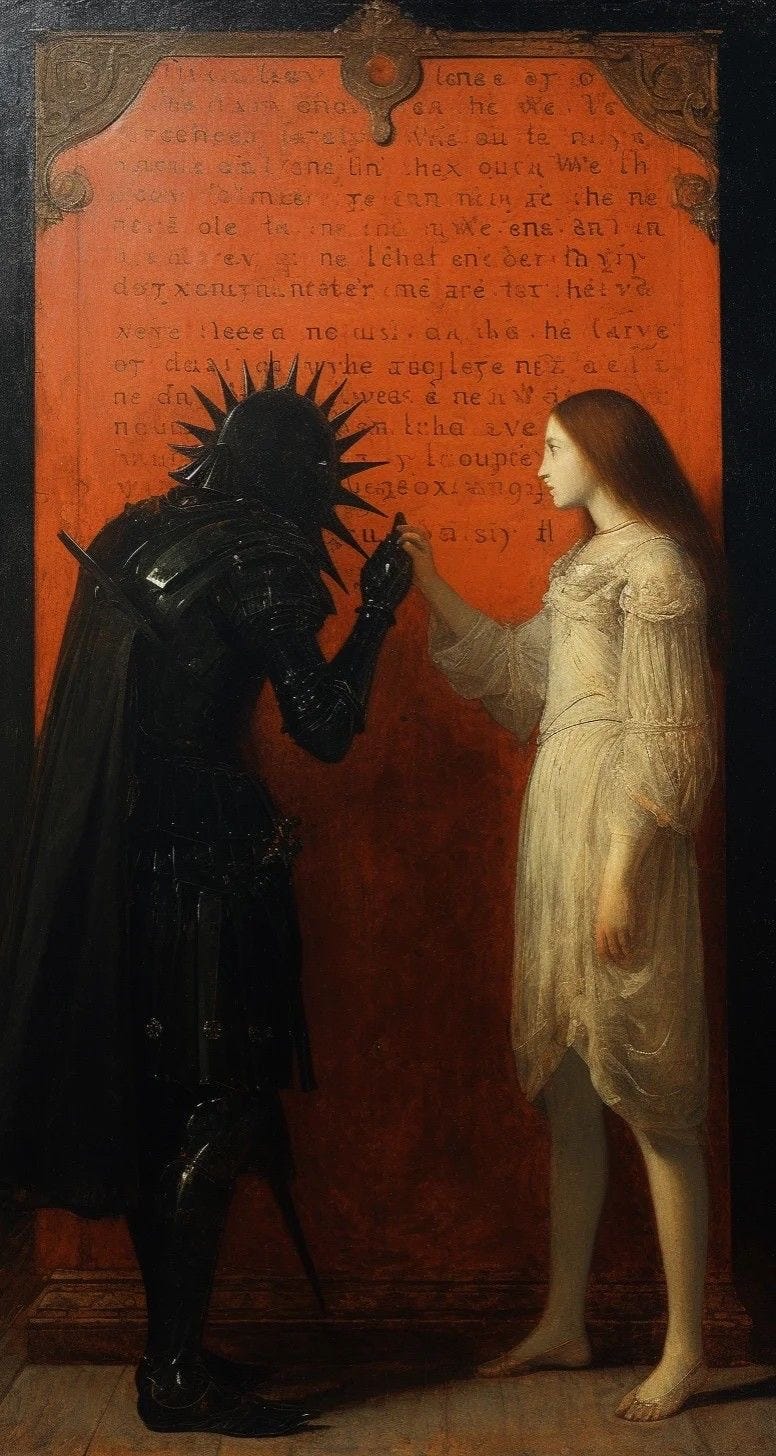
THE THOUGHT: The Cynic
Nicholas Clairmont
‘Cynic’ is one of those terms, like ‘ironic,’ that was already hard to grasp the meaning of before the internet well and truly ruined it. In part, this is because its proper meaning is almost totally opposite to its colloquial one. Properly, referring to the Cynics, the original ancient school of philosophers who sought quite consciously to live like a dog (which is why the word ‘cynic’ is related to the word ‘canine’), it didn’t at all refer to someone who thought human affairs could never be explained or predicted through sincere conviction or belief. As Bertrand Russell wrote, “The teaching of Diogenes [the Cynic] was by no means what we call ‘cynical’ — quite the contrary. He had an ardent passion for ‘virtue.’”
So how did the name for a passionate promoter of virtue get associated with a nihilistic refusal to believe in anything but self-interest? I think it comes down to how the passion is expressed, or how the virtues are promoted. The ancient Cynics, and their modern counterparts, are people who don’t just out and state their point or advocate their beliefs. They think it’s more effective, or maybe just more interesting, to try to provoke others into making their point for them. There are a million ways this can play out, big and small: the classic example of the parent who discourages smoking in a teen caught with Camels by forcing the kid to have the whole pack right then and there; a president who makes a sort of metatextual point about how bad political corruption and lawfare are by engaging in it himself without being polite enough to use the usual euphemisms about doing so; a surrealist Spanish artist who wants to argue that in the age of photography creating beautiful images that depict the actual world has lost its former meaning and power, so he conspicuously walks a lobster on a leash and paints melting clocks.
“One does not choose to become a Cynic, for one is born a Cynic,” Denis Diderot wrote. Maybe. Or maybe cynicism is less a different outlook on the world and more a pose people who feel they have an important message to convince the world of use for rhetorical purposes. In other words, nobody has a reason to be a cynic like a believer.
Nicholas Clairmont is the Life and Arts editor at the Washington Examiner and a freelance writer.
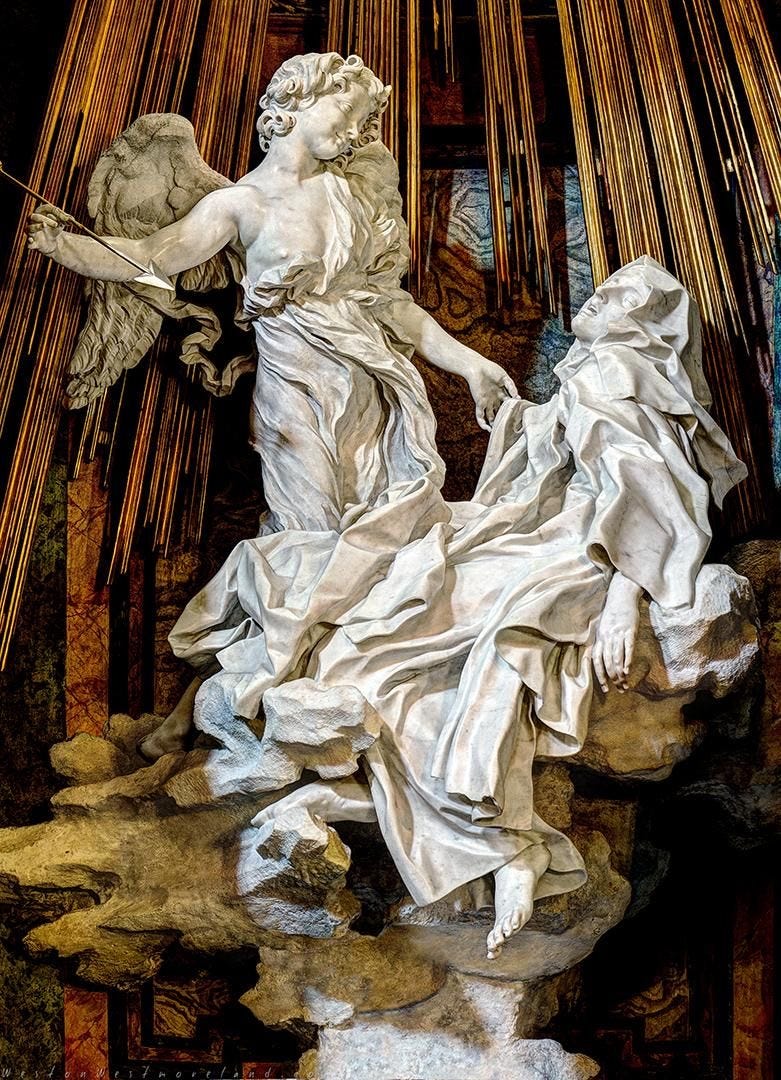
THE FIND: The Throne of the Third Heaven of the Nations’ Millennium General Assembly
Recommended by Audrey Horne
I remember stumbling into the outsider art room at the American Art Museum one rainy day not so long ago, and beholding this perfect work for the first time. I was going through an especially difficult time then. Numb to feeling in the way that is just feeling building and begging for release. This foil altar felt like divine intervention. Spiritual beauty made natural; reverence I could not begin to approach, approaching me instead; radical humility and radical hope rendered so sharply and clearly it felt almost like pain. The meticulousness, the care taken with trivial items, the sincere expression of a man consumed by Purpose, using his entire being to make straight the way of the Lord. Never has “the last shall be first” been made more obvious. I was moved to ecstatic tears. FEAR NOT.
Audrey Horne co-edits Secret Ballot in between tweeting all day.
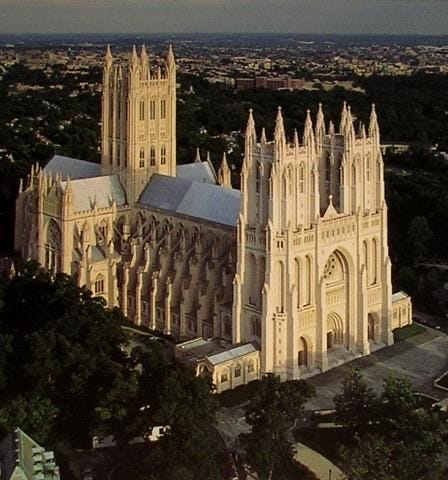
THE FEELING: The Deep Church
Emma Collins
Last year I dreamed that I and the constellation of people I know in Washington were part of something called the Deep Church (as opposed to the Deep State). Our goal, however subconscious, was not to nefariously act in a manner contrary to the interests of the American people, but to come together in solidarity, with some hope of saving the country we love so well.
What I love about DC is that it’s normal to be religious here. It’s simply part of life for many of us. Not in a stick-it-to-the-libs, Dadaist way, but in a way that makes it natural to talk about prayer, or a Bible verse, or to say grace before dinner. Even the professed atheists I know here have a mystical gleam in their eye.
You won’t find any One True Church skirmishes at the parties here, either. I’m not going to spit in your eye if you say you’re a Seventh Day Adventist. We are genuinely inclusive. It’s wild to think about the fact that only a few hundred years ago, this area was completely populated by the Anacostan tribe. DC is a city with plenty of green space, unlike other big cities where you feel trapped in concrete. When I see a tree swaying in my local park or sit at the edge of a river in Rock Creek, it’s easy to sense the Great Spirit referred to in many Native American prayers.
Washington, Divine City. It’s been a source of Living Water to me, rather than a distasteful swamp. This is where I committed to recovery, got baptized, started being paid to write. It’s a blessed place, the opposite of the caricature painted in recent years. I love the buttoned-up, punctual, brilliant, morally rigorous, well-read people I have met here. They are my congregation.
Emma Collins is a freelance writer living in Washington DC. She is the author of A New Heaven on Substack.
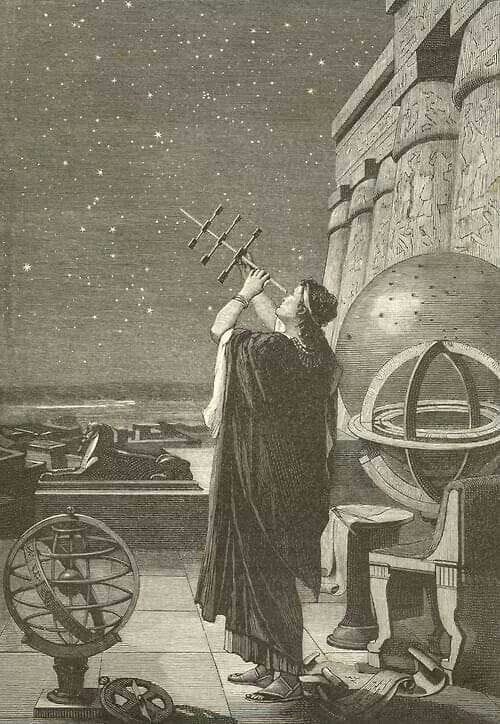
THE BLUFF: My Great Reformation
Sarah Beth Spraggins
At a young age, I was taught the standard Reformed language for talking about faith: faith is given by God; it is not a state you ascend to through force of will or descend to through conscious intellectual surrender. Once you have it, you might want more of it, but the tiniest amount that always remains is enough.
My father and I stole a metaphor from our pastor, who stole it from his theology professor, who probably stole it from someone else. It might have been a simplified version of the infinite qualitative distinction. The big circle (God) is not the little circle (human being). His professor would draw the two circles on the whiteboard every day at the start of class.
There is the idea that a believer may only have a few moments of acute belief. And then they have to live on remembering those moments for the rest of their life. As a teenager, I would wake in the middle of the night gripped by spiritual terror. I was afraid of hell, afraid of demonic oppression, and especially afraid of not believing the right things or in the right way. But the more I saw the devils, the more I saw in color what was fighting against them.
During a later period of adolescent turmoil, I wrote a paper for a Biblical Hermeneutics class about the beginning of John’s gospel. It’s still one of my favorite passages in the Bible: a twisty, bizarre introduction to the story of Jesus. In English, it’s so technical as to sound almost lyrical. The light shines in the darkness, and the darkness has not overcome it. Neither the darkness of evil, nor the darkness of unknowing had been able to eat up Light. I liked that.
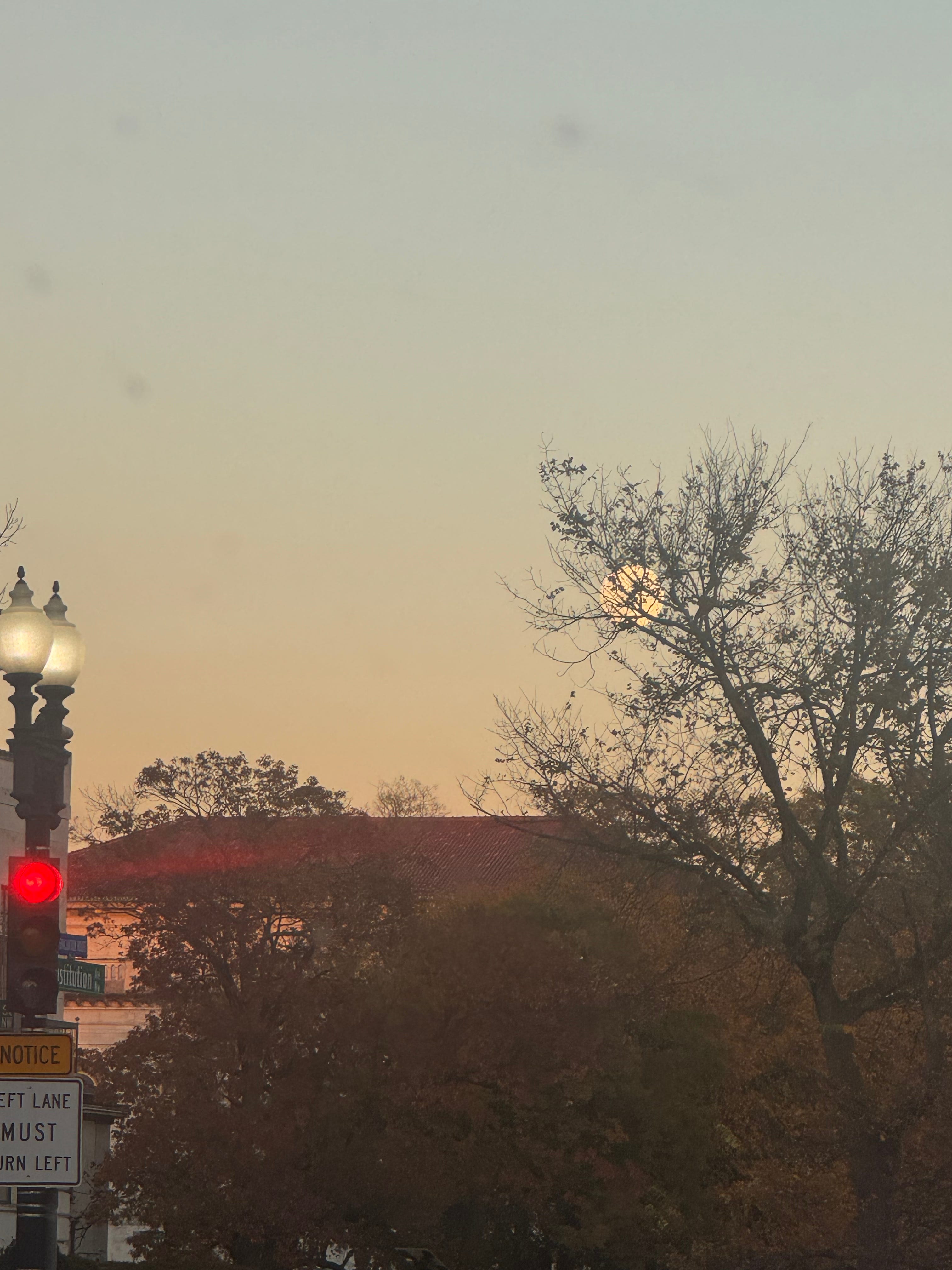
During my most agnostic period (graduate school, inevitably), I decided that spiritually speaking, all I needed was to hold on to my ability to say the Apostle’s Creed in earnest. I could get out of the theological weeds. It is hard to believe, and sometimes it’s impossible not to. A couple of weeks ago, I went for a walk around the National Mall with a friend. I told her what was starting to come back for me— the everything-sheen.
Sarah Beth Spraggins is a poet and writer and co-editor of Secret Ballot.
HOT MIC:
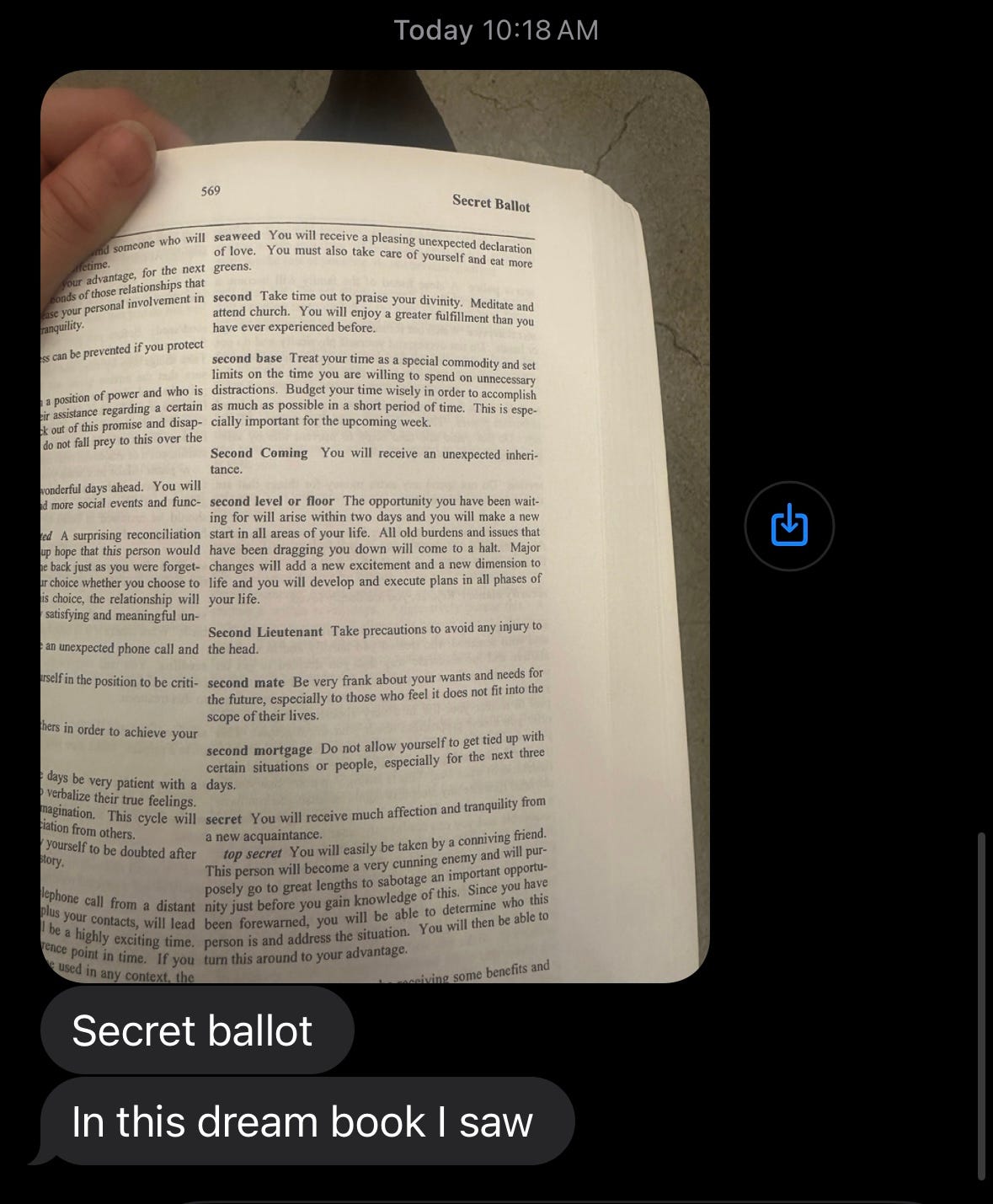
THE VOTE:
THE TALLY:
Abandon All Hope. Secret Ballot’s Inferno burned brightly—and perhaps a little too well. The house was teeming with the strange, the beautiful, and the not-so-penitent. Smoke curled over the patio like incense as everyone seemed to have rediscovered the cigarette as sacrament. Our friends at Right Proper Brewing Company kept the vices flowing with plenty of beer, though it was unclear whether the crowd was confessing or competing when they scrawled their chosen sins on the whiteboard. (Lust won, naturally.) All this, just an hour after the Fear and Trembling talk at Catholic University. Among the damned: Dasha Nekrasova, Jordan Castro, Damir Marusic, every British journalist we know (again), and—bless his heart—Cockburn. Costumes ranged from inspired to inexplicable: “Consider the Lobster,” Marie Antoinette, two Tinkerbells, a priest, a nun, Chris Chan, Homer and Marge, “Corporate Rage,” potheads, and the chef from The Bear. One couple dressed as the priest and the possessed girl from The Exorcist, arriving at our party straight from the Georgetown steps. Your weary hosts have descended into recovery mode, nursing our hangovers and halos alike. Stay tuned for smaller, quieter gatherings as Advent approaches.
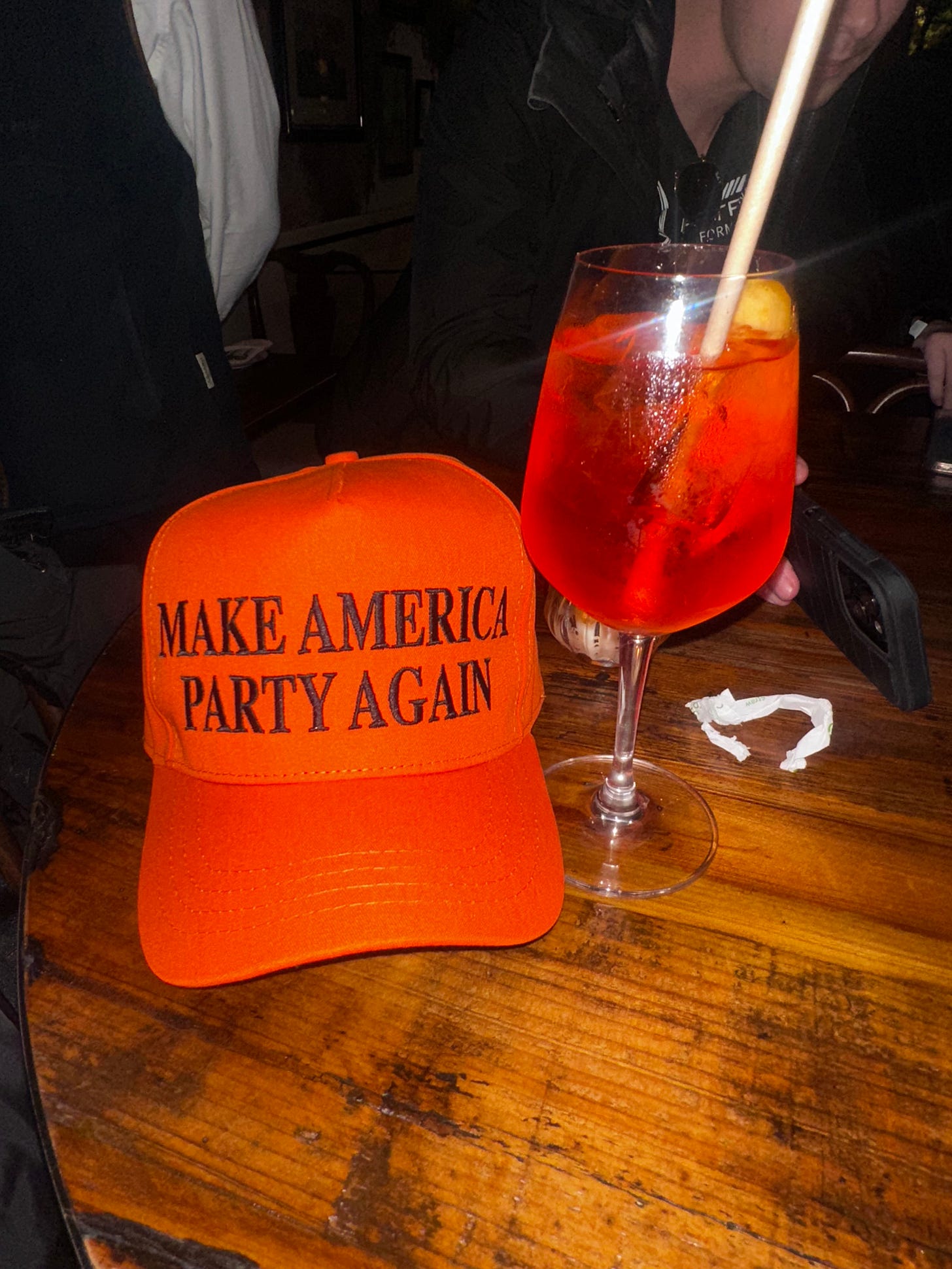
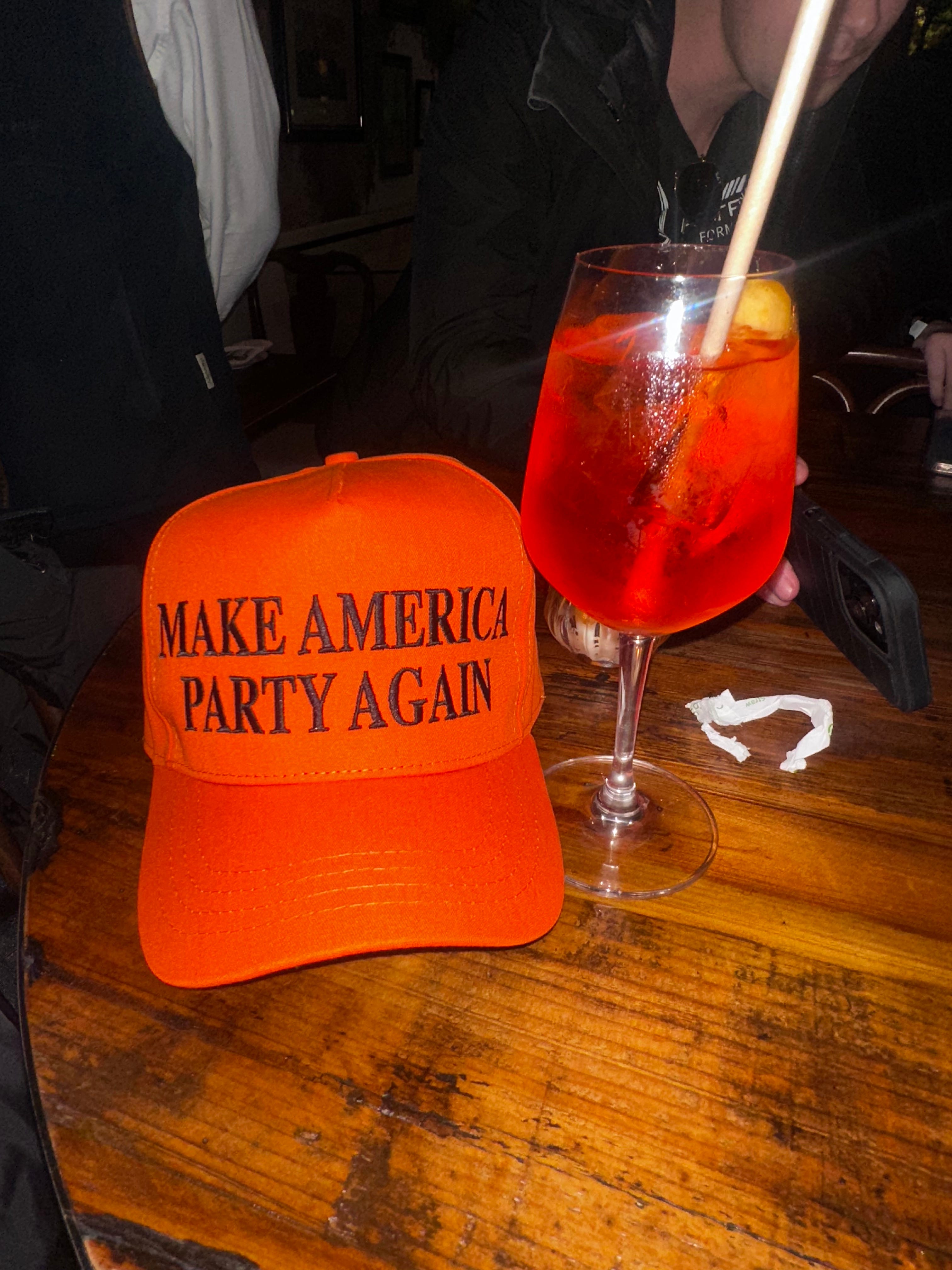
Cruel Kids III. A Balloter or three put their heads down and went into the third installment in a party series which sparked the now infamous New York Magazine cover. The crowd seemed intent on proving they were having fun. While the concept seemed to be aiming for Miami-style clubbing by way of Mar-a-Lago, the style of dress was more fraternity-basement-esque. Rick Ross was allegedly on-site, though our scouts didn’t get to see him… but the merchandise was loud enough: trucker hats proclaiming: “Make America Party Again”. A noble effort, but quite unnecessary in this town. Secret Ballot is already on it.
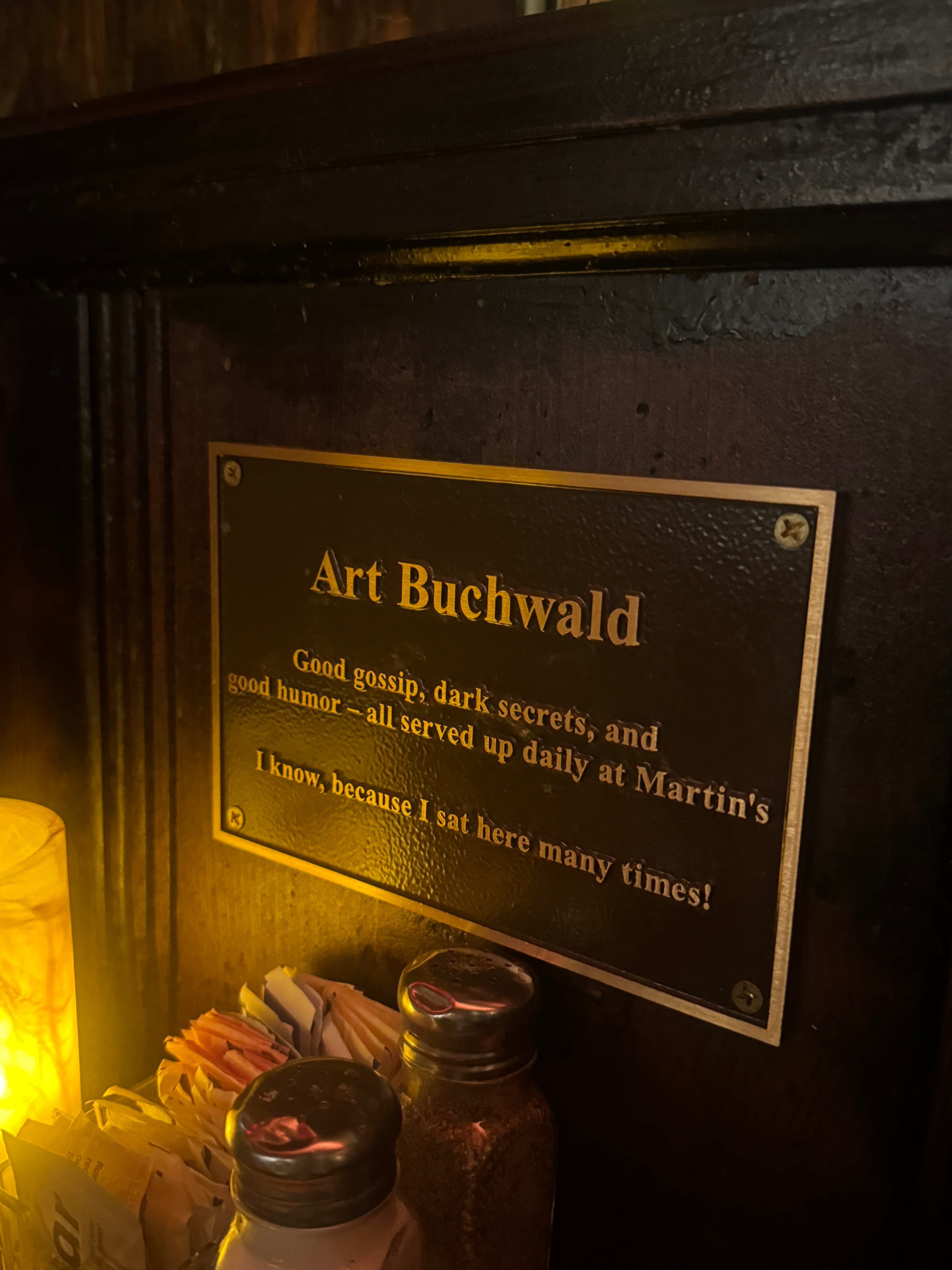
Butties Report. Secret Ballot Inferno after-action report was, of course, informally held at Butterworth’s the following night. It was a day of many whimsical coincidences. Sarah Beth ran into everyone she knew, and every 23-year-old who had been invited to our party appeared as if by magic, joining up with a former Bachelorette contestant (not the only Bachelor Nation member orbiting DC right now!), the dissident Gatsby of DC, and a few Brits as usual, including a stray nobleman one balloter picked up earlier that day watching football at Martin’s Tavern (stay tuned for our November sports issue!) Your humble editors attempted to play a psychological Rorschach test on said audience, but attention spans were frayed. Next time.
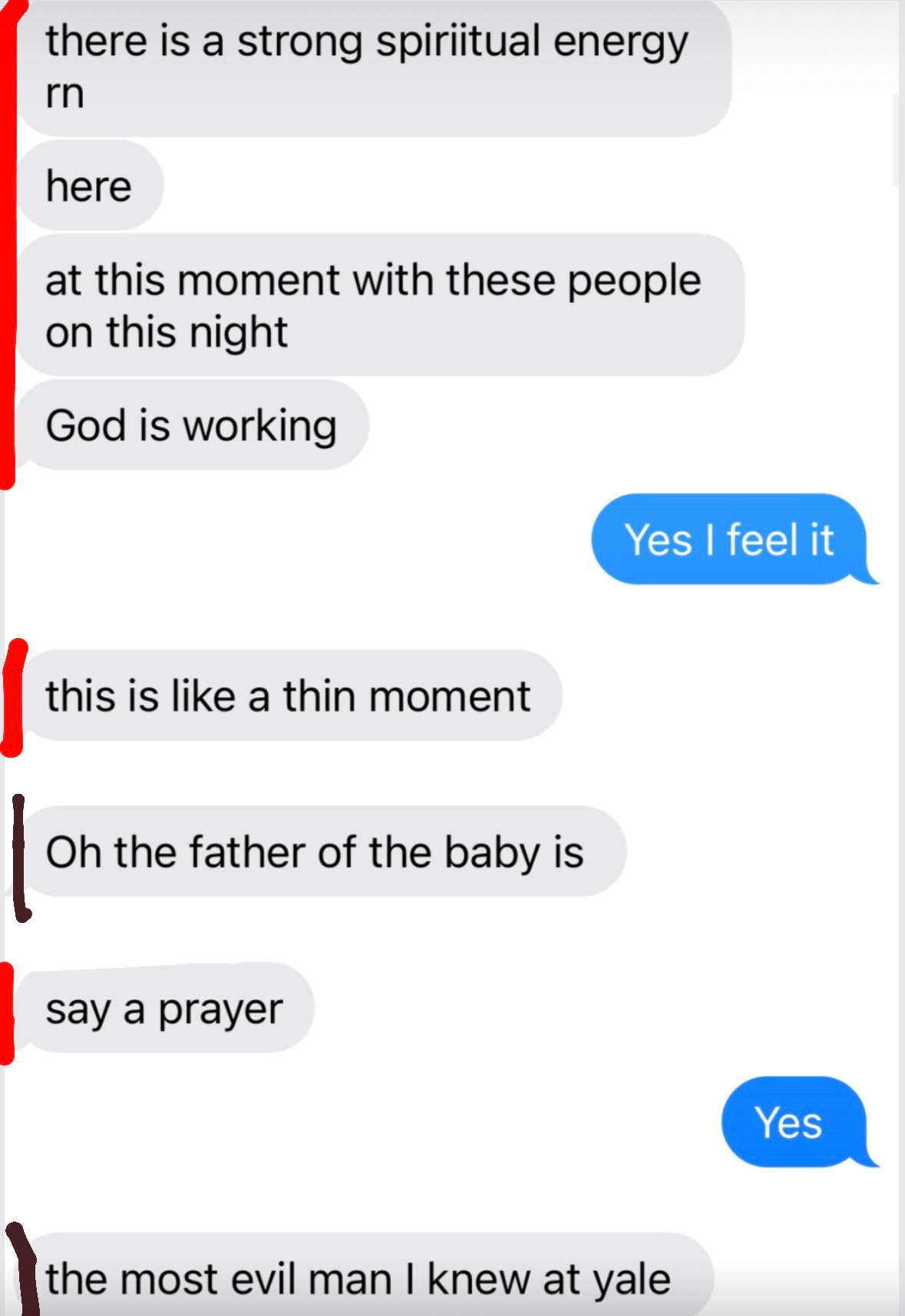
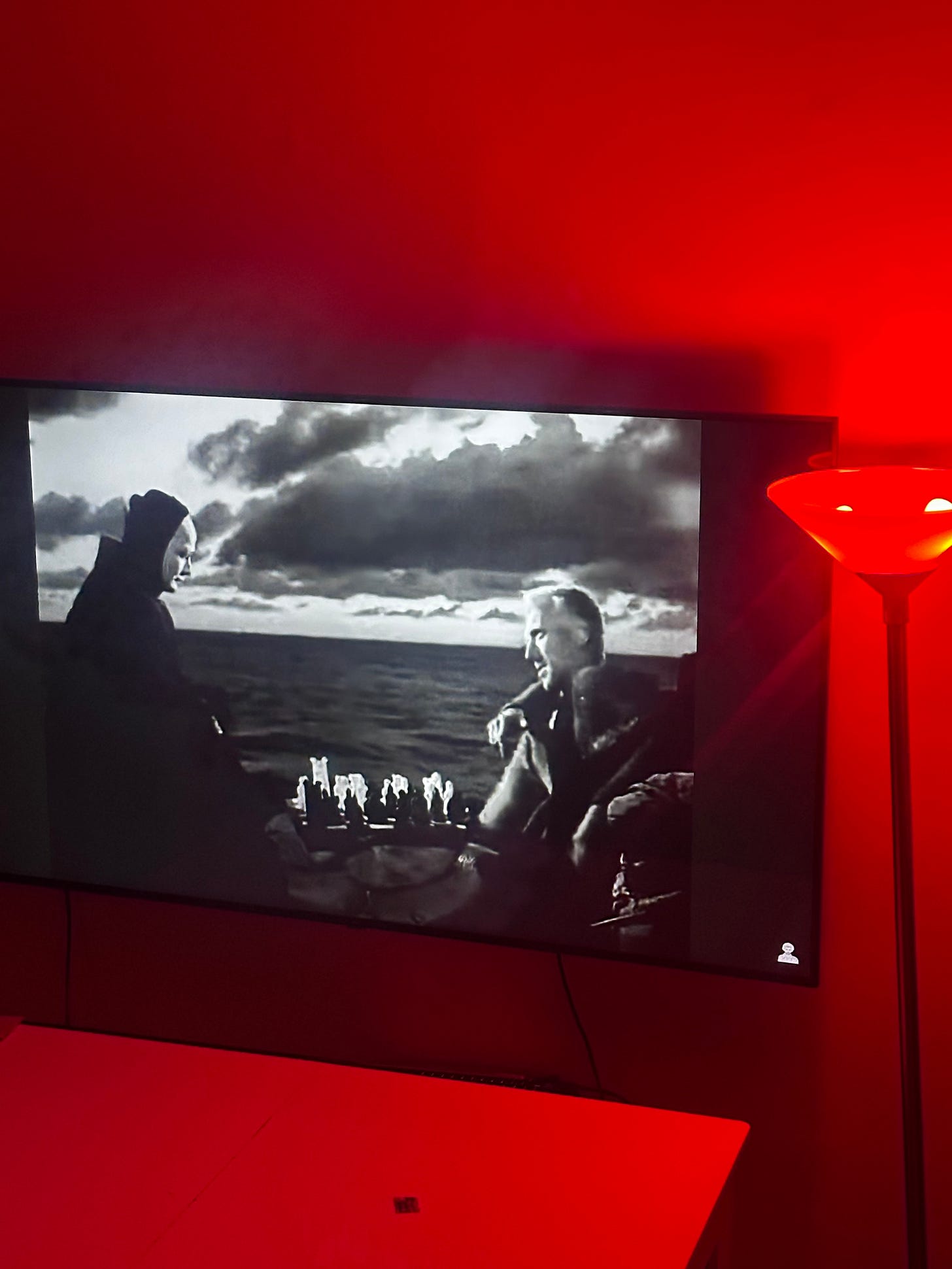
Fear and Trembling at Catholic University. Early Halloween night, the Cluny Institute hosted a conversation between Jordan Castro and Dasha Nekrasova—an unholy-holy mix of The Exorcist, the artist’s conscience, Epstein’s shadow, and the stubborn mystery of belief. Dasha questioned whether AI could ever touch the subconscious; Jordan observed that before he believed what Scripture said about God, he believed what it said about people. As he read aloud from a New Testament exorcism story, a baby cried out, and a priest entered the room shortly after. Somewhere between the two a strange new sincerity settled over the crowd. The atmosphere was charged, the spirit world unmistakably near, and the brunette quotient unusually high. We hope this portends a new great awakening.
Nicole Ruiz launched a new series on Substack called The Third Oikos, focused on the way technology is reshaping the household.
Don’t Miss:
Shadi x Duss. Friend of the Ballot Shadi Hamid (Washington Post; Wisdom of Crowds) will be launching his new book (The Case for American Power) with a debate with Bernie Sanders’ former foreign policy adviser Matt Duss. November 11 at Bistro Cacao. Tickets.
Lewis x Tolkien. The Museum of the Bible hosts a play inspired by the conversation between famous friends J.R.R. and C.S. now through November 30. Tickets.
Barry Lyndon. Silver Springs AFI screens this period piece the Saturday after Thanksgiving. Balloters across the city are looking forward to this one. Tickets.
DECLASSIFIEDS:
Gossip or intelligence? We can’t tell the difference. Send us your personal ads at secretballotdc@gmail.com and we’ll post them anonymously. If you’d like to reply to one, email us the ad’s number and we’ll discreetly forward it on.
#RIGHTPROPER // The official beverage of Secret Ballot events, beloved by all those who prefer their discourse chilled and served in a pint.
#POLYGLOTS TO THE FRONT // Local polyglots are welcome to bring original translations to read aloud at Mouse Magazine’s Translation Night, which meets monthly in DC and has sister events in Chicago and New York. All languages welcome. Sign up here.
#SPORTS // CALL TO ACTION! Please submit your tales of football and all that to secretballotdc@gmail.com. You can also email us if there’s something you think we should look into.
#GROUPCHATS // If you or a friend has insider knowledge of Capitol Hill gossip, fed mischief, glamorous old timers, or fresh blood, we will consider adding you to groupchats of interest. Please contact us via email with your name, occupation, phone number, and the reason you think we should add you.
Audrey Horne have you been to the Watts towers